What Is a VIN (Vehicle Identification Number)?
A VIN is a 17-character identifier assigned to a vehicle. It works like a fingerprint: it is used to connect the car to registration, insurance, recalls, theft checks, and (most importantly for buyers) history records.
If you are verifying a used car, treat the VIN as evidence. Compare it in multiple locations, decode it for sanity checks, and then use it to look up history and risk signals.
Where to find the VIN
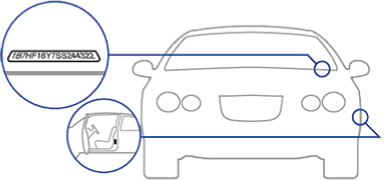
Most passenger cars have the VIN in several places. The exact locations vary by make and model, but the most common are:
- Windshield (dashboard): viewed from outside, usually at the lower corner on the driver side.
- Driver door jamb: a manufacturer label on the B-pillar / door frame.
- Engine bay: stamped or labeled on the firewall, strut tower, or radiator support (varies).
- Vehicle documents: registration, title, insurance card, service invoices.
- Motorcycles / some trucks: often stamped on the frame or steering head.
Quick rule: the VIN in the documents must match the VIN on the vehicle. If you only find one VIN location, or the numbers do not match exactly, stop and investigate.
VIN structure (the 17 characters)
A modern VIN is 17 characters long (letters and numbers). It is usually split into three parts:
- WMI (positions 1-3): World Manufacturer Identifier (manufacturer + region/country code).
- VDS (positions 4-9): Vehicle Descriptor Section (model/engine/body info; varies by manufacturer).
- VIS (positions 10-17): Vehicle Identifier Section (model year, plant, and serial number).
Some positions have widely used meaning:
- Position 9: check digit (mandatory in North America; some other regions use a filler like "Z").
- Position 10: model year code (common across many brands).
- Position 11: assembly plant code.
- Positions 12-17: sequential production number.
Decoding by region (what differs)
VINs are globally standardized in length, but the details are not identical everywhere:
- USA/Canada: the check digit in position 9 is commonly enforced and useful to catch typos and some fake VINs.
- Europe: the VIN is still 17 characters, but the check digit is not always used the same way by every manufacturer.
- Japan (domestic market): some vehicles may be referenced by a chassis/frame number in listings and paperwork; exports typically use a standard VIN.
A decoder can validate basic structure, but it cannot guarantee the physical vehicle matches the VIN. That is why you always cross-check the VIN on the car itself.
Common VIN-related fraud patterns
Fraud is not only "a bad history report". The VIN itself is sometimes manipulated to hide the real identity of a vehicle. Watch for these patterns:
- Cloned VIN: a legitimate VIN from a similar car is copied onto a stolen/different vehicle.
- VIN plate / sticker tampering: scratched rivets, misaligned plates, damaged labels, unusual fonts, or fresh glue/paint.
- Mismatch across locations: windshield VIN differs from door jamb label or engine bay stamp.
- Title washing: a branded title (salvage/flood) is moved across jurisdictions to hide the brand.
- Mileage manipulation: VIN history timeline shows inconsistent odometer progression.
- Rebody / identity swap: the VIN does not match visible features (engine type, trim, restraint system, or build data).
Practical VIN verification checklist
- Collect the VIN from at least two physical locations on the vehicle and confirm they match exactly.
- Inspect for tampering: check plate alignment, rivets, label edges, and signs of removal.
- Sanity-check the WMI: confirm the brand/manufacturer and general region make sense for the vehicle.
- Validate year/plant codes: confirm the model year and build details align with what is being sold.
- Run a history lookup: compare accidents, title brands, theft records, usage type, and mileage events with seller claims.
- Resolve inconsistencies before paying: a single mismatch is a reason to pause and verify identity.
Ready to check a VIN? Run VIN Check Compare report options